


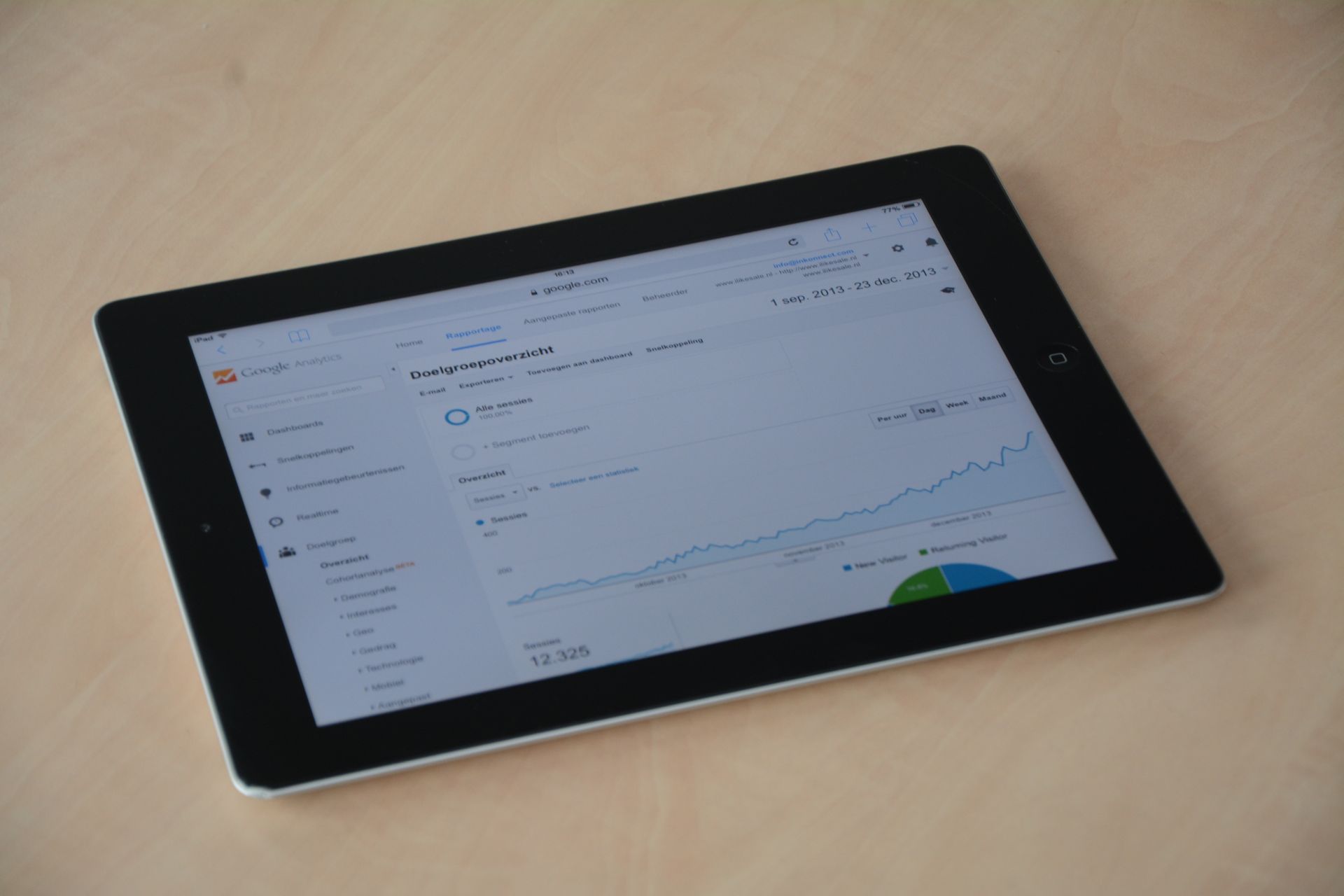
Numbers are among the most effective door-openers in media relations. Your own survey, telling figures from your business or a regular index give journalists exactly what they are looking for, a piece of news that can be backed up. Done well, data like this gets quoted, linked to and used as a source by AI systems.
Why do journalists love data?
A number turns a claim into news. It provides a headline, works well in graphics and gives editors a reason to cover a subject that would otherwise have no hook. For companies there is a welcome side effect. Whoever supplies the data is named as the source and seen as an expert.
Which kinds of data work best?
Your own surveys
A survey carried out by a market research institute on a question many people care about produces results that exist nowhere else. For national media, the sample should be large enough and as representative as possible. Breaking the results down by region or city also opens the door to local press.
Figures from your own business
Many companies are sitting on revealing data without realising it. Bookings, orders, search queries or usage patterns often show trends earlier than official statistics. The key is to anonymise them and prepare them in line with data protection rules.
Indices and recurring analyses
An index published every year or every quarter earns a fixed slot in journalists’ calendars. Each edition builds recognition, and comparisons with the previous year automatically provide new stories.
What matters in data-driven PR?
- Be transparent about method: who was asked, when, how and by whom?
- Avoid leading questions, because journalists spot them instantly.
- Draw out one clear key message instead of listing twenty figures side by side.
- Present the results visually and make them available in your newsroom.
- Name an expert who can put the figures into context.
Why does data help with Google and AI search?
Original figures get linked and quoted, and those mentions strengthen visibility in search engines. When asked about trends and orders of magnitude, AI systems tend to draw on concrete, well-documented data. A study page on your own website, with method, results and date, makes it easy for them to name your company as the source.
A good starting point is a simple question: which figure would your industry love to know that nobody has published yet? The answer is often closer than you think, in your customer database, your support tickets or your web shop analytics.
Find out what data your company holds and how it can become media stories with our free PR analysis.
Frequently asked questions
How large does a survey need to be for media relations?
For national media, the sample should be large enough to support robust statements and reflect the target group as representatively as possible. Trade media often accept smaller surveys among experts.
Can customer data be used for PR?
Only in anonymised, aggregated form and in line with the GDPR. No individual should be identifiable.
Which is better, a one-off study or an index?
A regular index builds more recognition over time because journalists come to expect it. A one-off study suits a particularly topical subject.
