


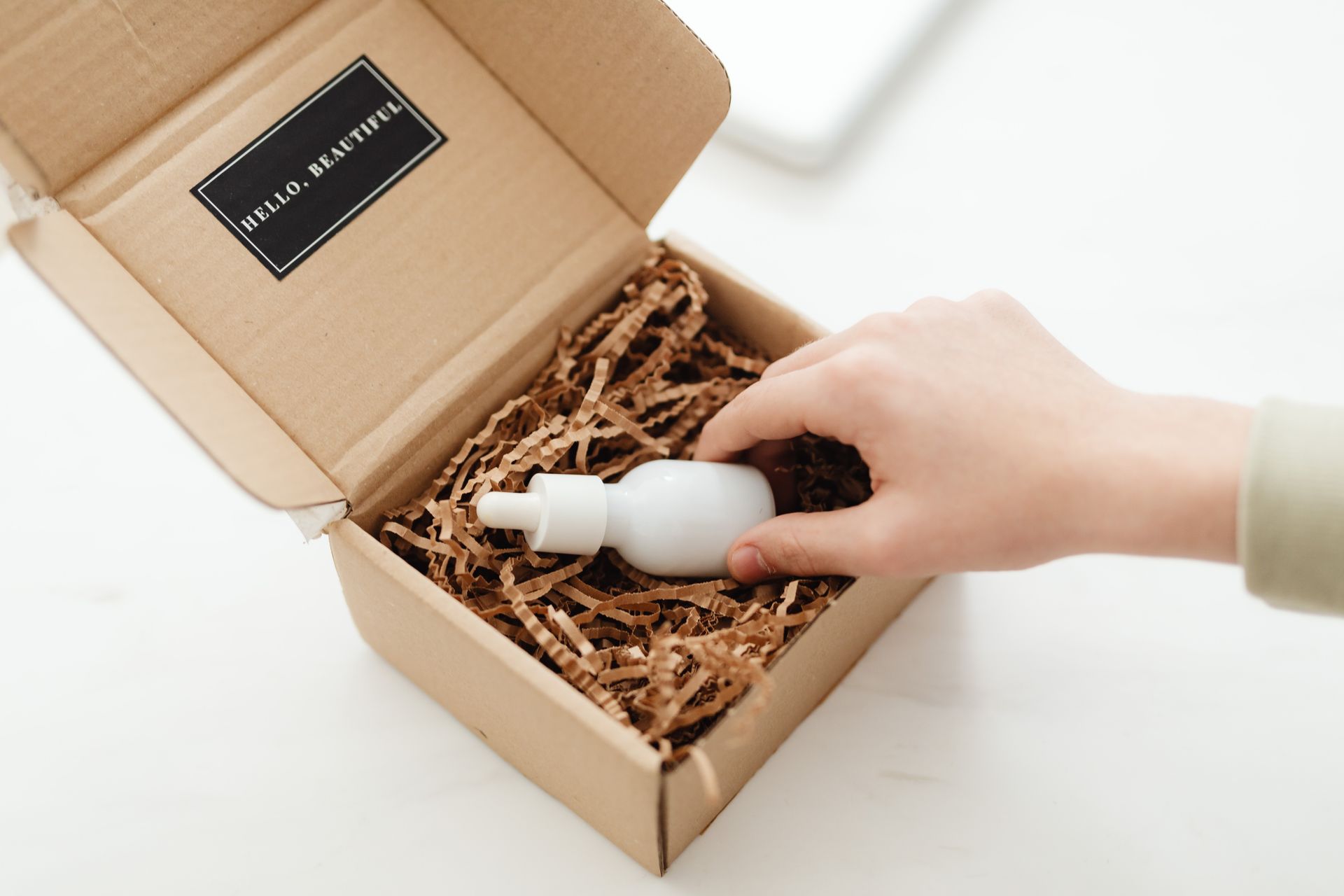
A new product on its own is not news to journalists. A launch becomes a story when it solves a problem, makes a trend visible or surprises people. With enough lead time, editorial product tests, strong images and a plan for the weeks that follow, a launch turns into media presence that lasts.
Why do so many launches sink without trace?
Countless new products come onto the market every day, and most press releases about them sound alike: new, innovative, available now. Journalists filter hard. What they are looking for is a reason to show their readers this particular product. Without that reason, even the most elegant wording will not help.
What turns a launch into a story?
A clear benefit
The key question is what becomes easier, better or more enjoyable for people. A product that does away with a familiar irritation is interesting to consumer and advice media. If you can explain that benefit in one sentence, half the work is done.
A link to a trend
Sustainability, artificial intelligence, health, saving money, local sourcing. Products that make a bigger development tangible become examples in trend pieces. That way a launch also lands in sections where a straight product announcement would never appear.
The story behind it
How did the idea come about, who worked on it, what obstacles had to be overcome? The founders, developers and makers behind a product make it human. Regional and business media in particular are interested in this side of things.
What does a good launch plan look like?
- Lead time: monthly magazines plan several months ahead, and seasonal topics such as Christmas even earlier.
- Samples: editorial product tests often produce the most credible coverage, but they take time.
- Images: high-quality product shots, lifestyle images and short videos significantly improve the chance of publication.
- Embargo or exclusive: a selected leading outlet in advance, or several titles under embargo, makes for a strong launch day.
- Follow-up: interviews, competitions, seasonal hooks and user voices keep the product in the conversation after launch.
What role do product tests play?
A test by an editorial team is one of the most valuable forms of coverage, because it is independent and readers take it especially seriously. It takes confidence in your product and a willingness to accept critical comments. Prepare test units well, answer questions quickly and be honest about weaknesses, and it will pay off.
What happens after the launch?
The first few days bring attention, and the weeks that follow bring impact. New use cases, customer voices, seasonal hooks and follow-up stories keep the product visible. Every article also helps search engines and AI systems know the product when people ask about it later.
Planning a launch? Our free PR analysis shows how much media potential it holds.
Frequently asked questions
How early should launch communications be planned?
Ideally three to six months in advance. Monthly magazines have long lead times, and product tests take time.
What belongs in a launch press kit?
A short press release, technical specifications, pricing and availability, high-quality images, a named contact and, on request, a test sample.
Is an embargo worthwhile for a launch?
Often, yes. It gives journalists time for thorough coverage and ensures several articles appear at once on launch day.
