


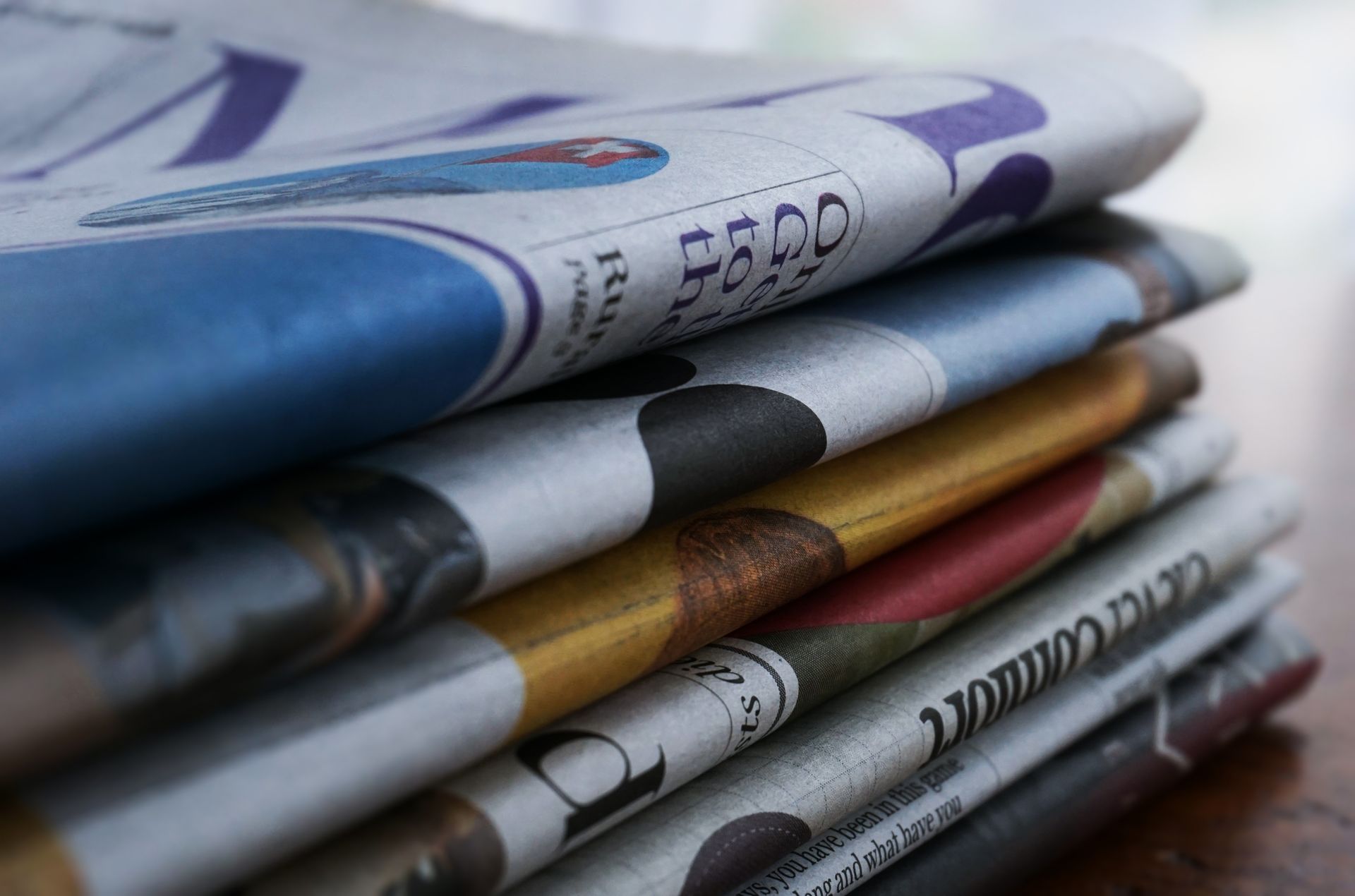
In 2026, newsrooms are smaller, faster and more demanding than ever, and they receive more pitches every day than they could possibly read. The stories that get through bring real news, original data and good interviewees. The press release remains an important tool, but today it is more of a foundation than a door-opener on its own.
How do newsrooms work today?
In many newsrooms, fewer people now do more work. The same journalist may cover print, online, newsletters and a podcast, often across several desks. There is little time for long research, while the inbox is always full. At the same time, expectations have risen. Editors want stories their readers genuinely care about, and that perform measurably online.
For companies, that is good news. Anyone who makes a journalist’s job easier, without touching their independence, is more welcome than ever.
What do journalists really want?
Genuine news value
The first question every newsroom asks is why their audience should care today. A new product on its own rarely answers it. A trend that the product makes visible, a problem it solves or a development that affects many people is a different matter.
Original data and exclusive insight
Figures from your own business, a survey or an analysis that exists nowhere else are worth their weight in gold to journalists. An exclusive offer to a single title, before an announcement goes out widely, is more powerful still.
People with something to say
Journalists are looking for interviewees who can put a topic into context, hold a clear view and be reachable at short notice. A managing director who can explain in five minutes on the phone what a new regulation means for her industry is worth more than three pages of corporate profile.
Good material
High-quality photos that do not look like adverts, short videos, graphics and a well-organised newsroom on the website save time and significantly improve the chance of coverage. Plenty of stories fall through simply because the right picture is missing.
Is the press release dead?
No. Its role has simply changed. The press release is the official document that editors, news agencies and trade portals can refer to. It brings the facts together, provides quotable statements and remains findable in the archive. Increasingly, it is also read by search engines and AI systems looking for reliable sources about a company.
What has changed is the route to publication. A release sent to a thousand addresses at once usually disappears into an inbox. It becomes effective when it goes to the right titles, is flagged personally in advance and comes with a concrete offer, such as an interview, exclusive figures or an invitation to visit.
What does a good press release look like in 2026?
- The key message sits in the headline and first paragraph, clear even to those who read nothing else.
- It is short, and one page is usually enough.
- Quotes say something new and sound like a person, not an advertising agency.
- Facts, figures and sources are properly backed up.
- Images and a contact with a direct number are included.
- It is adapted to each outlet rather than sounding the same for everyone.
What does this mean for companies?
Modern media relations is less about distribution and more about relationships. If you know which journalist covers which subject, which titles like which formats and when a topic is in season, you get further with less effort. From our daily work with newsrooms in Germany and Austria, we know that a well-prepared phone call often achieves more than ten emails.
Consistency matters just as much. A company with something relevant to say every few weeks becomes a reliable source for journalists. Isolated announcements once a year, by contrast, rarely stick.
The tone has changed too. Superlatives, jargon and long chains of clauses put people off. Journalists appreciate copy that sounds as if a person wrote it for other people, with concrete examples and a clear point of view. Write a release so that a reporter can lift parts of it straight into an article, and you save them time while improving your chances of coverage.
“Journalists don’t want advertising, they want stories that help their audience. Once you understand that, you rarely need to worry about coverage.” Miriam Günther, Head of the Berlin office, Fullstop PR
Find out which of your company’s stories journalists will want to hear with our free PR analysis.
Frequently asked questions
Is a press release still worth it in 2026?
Yes, as the official foundation containing all the facts and quotes. It works best when it goes to the right titles and comes with a personal offer such as an interview or exclusive data.
How long should a press release be?
In most cases one page is enough. The most important information belongs in the headline and first paragraph, with details and background further down or in the website newsroom.
What is the best way to reach journalists?
With a short, personal pitch that suits their desk, sent at the right time. Good relationships grow from reliable information, contacts who can be reached and respect for editorial independence.
