


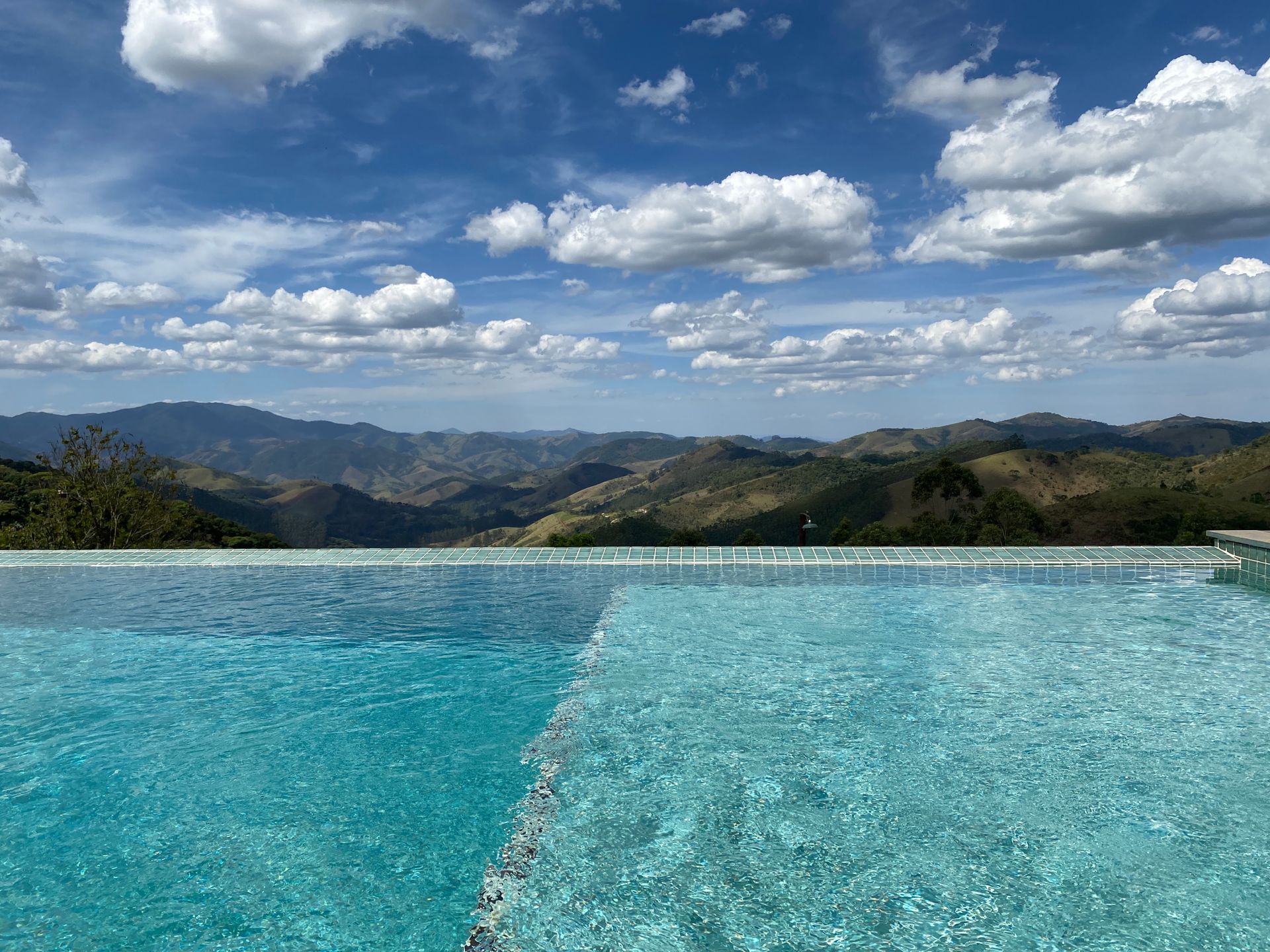
Few industries depend on images and emotion as much as tourism, hotels and hospitality. Journalists love beautiful places, but they are allergic to advertising language. Good tourism PR creates desire through real stories, concrete experiences and the people who shape a place, while staying honest.
Why are beautiful photos not enough?
Travel and lifestyle editors receive pitches every day from hotels and destinations that all call themselves unique. Panoramic views, a spa and regional cuisine are offered almost everywhere. What sticks is what is genuinely special: the host who rescued an old farmhouse, the chef who cooks only with produce from the valley, the experience you cannot find anywhere else.
Which topics work in tourism PR?
People and craft
Hosts, chefs, mountain guides, winemakers. People bring a place to life. Profiles and interviews work particularly well in travel, food and regional media.
Trends and data
How are travel habits changing, which destinations are in demand, what do guests look for when they book? Surveys and booking data make tour operators and hotel groups sources for business and consumer media, not just the travel pages.
Seasons and occasions
Early booking season, summer holidays, autumn breaks, Advent. The calendar provides reliable hooks. Plan early and you will land in the travel supplements and special issues that are often produced months in advance.
Sustainability with substance
Editors are interested in sustainable tourism but sceptical of green buzzwords. Concrete measures, measurable results and honesty about limits convince far more than any self-description.
What role do press trips play?
A place journalists have experienced themselves is described differently from one they know only from press materials. Press trips and individual research visits are therefore among the most effective tools in tourism PR. They need careful planning, a varied programme and respect for editorial independence. Coverage is never guaranteed, and that is exactly what makes it credible.
How do you stay credible?
By never promising more than the place can deliver. Superlatives like paradise or one of a kind quickly lose their effect. Concrete details, honest images without heavy editing and facts on prices, getting there and the best season are more valuable to journalists. That matters all the more now that guests read reviews and compare photos.
What about restaurants and bars?
Similar rules apply to restaurants, bars and other hospitality businesses, only more locally. Openings, chefs with a profile, unusual concepts and seasonal menus are stories for city magazines, regional papers and food media. An evening for journalists before the official opening can achieve more than any advert.
Remember the business side of tourism too. Booking figures, investment and new ways of working in hospitality interest business media as much as trade titles.
Find out which stories your hotel, destination or restaurant has to tell with our free PR analysis.
Frequently asked questions
What is tourism PR?
Tourism PR is media relations for hotels, destinations, tour operators and hospitality businesses. It brings places, offers and people into travel, lifestyle, regional and business media.
Are press trips worthwhile?
Yes. They are among the most effective tools because journalists experience a place first-hand. Coverage is not guaranteed, which is what gives it credibility.
How early should hotels pitch seasonal stories?
For magazines and travel supplements, often three to six months ahead. For daily papers and online media, a few weeks in advance.
